1707, 50 Feet Main Rd, 1st Stage, Kumaraswamy Layout, Bengaluru, Karnataka 560078
Fix You Fit- Orthopaedic physiotherapy clinic
-
Call for help: + 91 79759 10436
-

Chirokind & Rehabilitation Clinic focuses on maintaining health for people of all ages, helping patients pain and prevent disease.
Fix You Fit- Orthopaedic physiotherapy clinic
Call for help: + 91 79759 10436
Overview
The Anterior Cruciate Ligament (ACL) is one of the most important stabilizing structures in the knee – and, unfortunately, one of the most commonly injured. Whether you’re an athlete who felt that dreaded “pop” during a pivot, or someone who twisted their knee during a fall, an ACL injury can be a frightening and life-disrupting event.
The good news? With the right physiotherapy approach – whether you choose surgery or a conservative route – most people return to an active, pain-free lifestyle. This guide walks through everything you need to know about ACL physiotherapy: what the ACL does, why it gets injured, how rehabilitation works phase by phase, and how to prevent re-injury.
The ACL is one of four major ligaments that stabilize the knee joint. It runs diagonally through the middle of the knee, connecting the femur (thighbone) to the tibia (shinbone). Its main job is to:
Because it plays such a central role in stability, an ACL tear significantly affects a person’s ability to run, jump, pivot, and change direction confidently.
ACL injuries are common in sports like football, basketball, netball, skiing, and volleyball, but they can also occur during everyday activities. Common mechanisms include:
Interestingly, a large percentage of ACL injuries are non-contact injuries – meaning no collision was involved. The knee simply gives way due to poor landing mechanics, muscle imbalance, or fatigue.
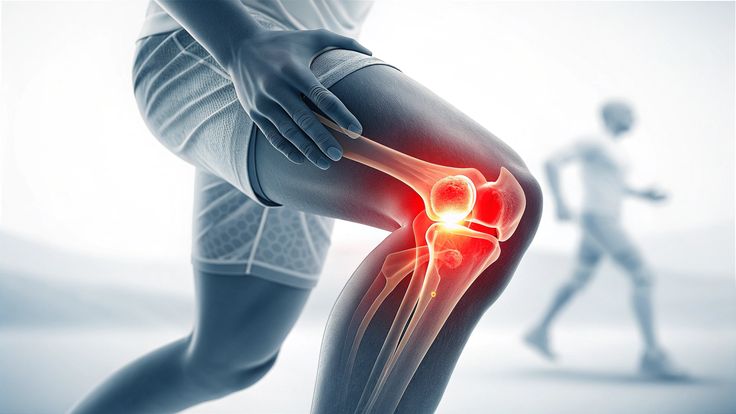
Not every ACL tear requires surgery. The right approach depends on factors like age, activity level, degree of instability, and associated injuries (like meniscus or other ligament damage).
Often recommended for older adults, less active individuals, or partial tears, this route focuses entirely on physiotherapy to strengthen the muscles around the knee (especially the quadriceps and hamstrings) to compensate for the deficient ligament.
Typically recommended for younger, active patients or athletes who want to return to pivoting sports. The torn ligament is replaced with a graft (commonly from the patellar tendon, hamstring tendon, or a donor graft). Physiotherapy before and after surgery is essential for a successful outcome – surgery repairs the structure, but rehabilitation restores the function.
If surgery is planned, “prehab” in the weeks leading up to the operation can significantly improve outcomes. Goals include:
Studies consistently show that patients who enter surgery with better strength and range of motion recover faster afterward.
ACL rehabilitation — whether post-surgical or conservative — generally follows a structured, criteria-based progression rather than a strict timeline. However, approximate timeframes are given below for post-surgical recovery.
Goals: Control swelling and pain, protect the graft, restore basic range of motion, and prevent muscle shutdown.
Goals: Achieve full range of motion, normalize gait, and begin building strength.
Goals: Build strength symmetry between limbs, improve neuromuscular control, and introduce light functional movements.
Goals: Restore power, agility, and confidence in the knee.
Goals: Safely return to full sport or activity participation.
Important: Time alone does not indicate readiness to return to sport. Objective criteria – such as quadriceps strength within 90% of the uninjured leg and passing hop tests – are far more reliable indicators than simply counting months.
While the specific program should always be tailored by a physiotherapist, common exercises include:
| Category | Examples |
| Range of Motion | Heel slides, wall slides, passive extension stretches |
| Strength | Quad sets, straight leg raises, squats, step-ups, leg press |
| Balance/Proprioception | Single-leg stance, wobble board, bosu ball exercises |
| Plyometrics | Box jumps, lateral hops, bounding drills |
| Agility | Ladder drills, cone drills, shuttle runs |
| Core Stability | Planks, bird-dogs, dead bugs |
Many people assume that once ACL surgery is done, the hard part is over – but rehabilitation is arguably the most important part of the recovery journey. Physiotherapy helps to:
Research shows that athletes who skip structured rehabilitation or return to sport too early have a substantially higher risk of re-injury – sometimes several times greater than those who complete a full, criteria-based program.
Whether you’ve had a previous ACL injury or want to reduce your risk of a first-time injury, prevention programs are highly effective. These typically include:
CL injuries can feel overwhelming, but with a well-structured, criteria-based physiotherapy program, the vast majority of people regain full function and return to the activities they love. The key lies in patience, consistency, and working closely with a qualified physiotherapist who can tailor the program to your specific needs, sport, and recovery stage.
If you’ve experienced an ACL injury, don’t navigate recovery alone — a personalized physiotherapy plan can make all the difference between a good outcome and a great o
FAQ’S
Most people return to sport between 9–12 months after surgery, though this varies based on individual progress, sport demands, and rehabilitation quality.
Yes, particularly for less active individuals or certain partial tears. A structured physiotherapy program focusing on strength and stability can allow many people to return to daily activities and even some sports.
Absolutely. Psychological readiness is just as important as physical readiness, and many rehabilitation programs now include specific strategies to rebuild confidence and reduce fear of movement.
Skipping structured rehab significantly increases the risk of stiffness, weakness, poor movement patterns, and re-injury.
This blog is for informational purposes only and is not a substitute for professional medical advice. Please consult a licensed physiotherapist or orthopedic specialist for a diagnosis and treatment plan tailored to your specific condition. For more details Contact Fix you Fit
Leave A Comment