
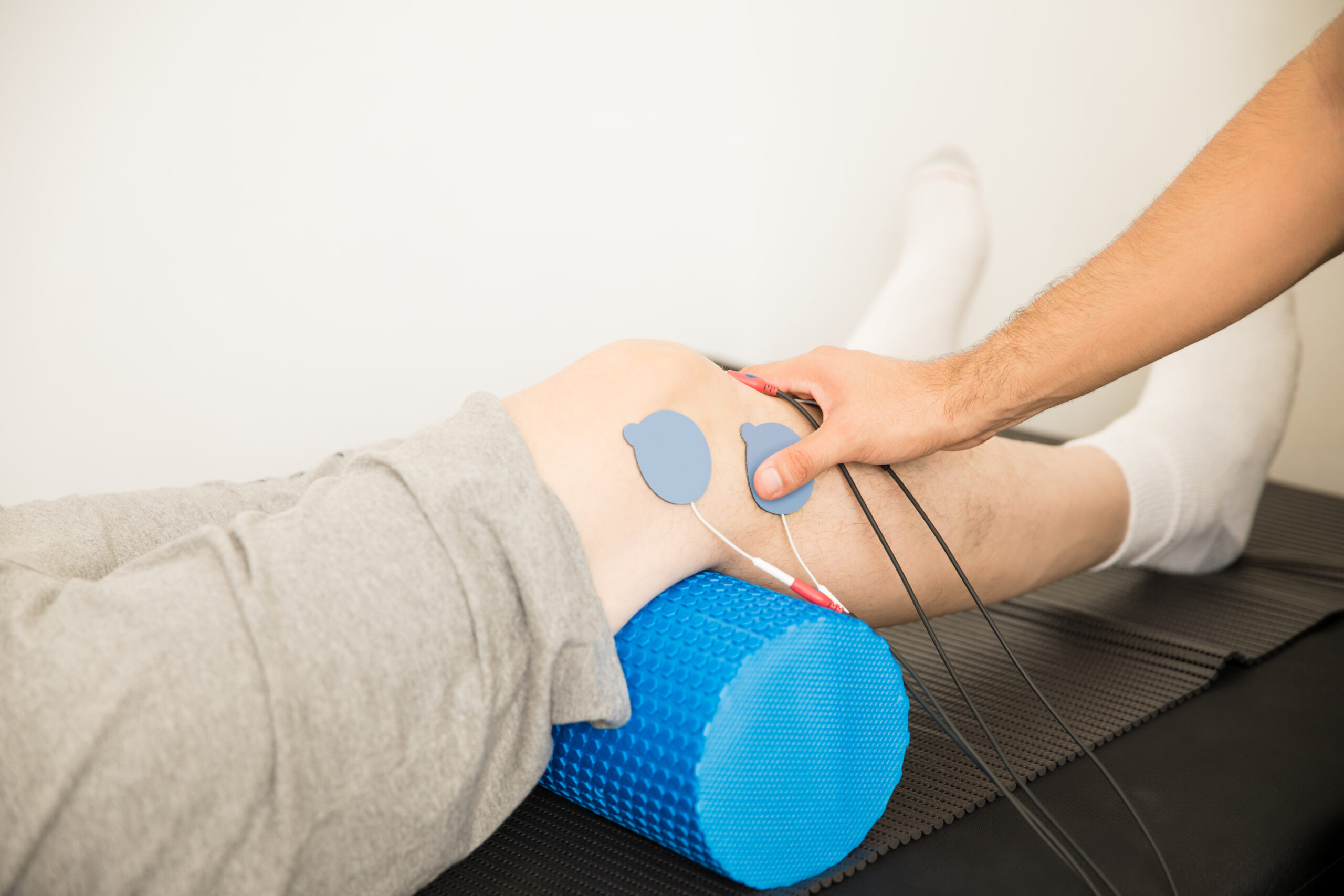

Walk into a physiotherapy clinic with a stiff lower back, you'll often get sticky pads and a gently humming machine. That's electrotherapy.
Patients usually ask us two things: "Will this fix my back?" and "Is it safe?" Honest answers: "not on its own" and "yes, for most people."
Electrotherapy for back pain uses mild currents or energy waves to reduce pain signals and relax tight muscles. Physiotherapists use it, mostly TENS and IFT, for short-term relief so you can move comfortably. It works best within an active plan, not as a standalone cure.
What Is Electrotherapy for Back Pain?
It's a group of treatments using controlled electrical or sound energy to influence nerves, muscles and tissue. In physiotherapy for back pain, a trained therapist sets a clinical-grade machine to your symptoms and sensitivity. You'll feel tingling or pulsing, never a shock. See how we deliver it on our electrotherapy service page.
How Electrotherapy for Back Pain Works
Closing the "Pain Gate"
Stimulating fast touch fibres crowds out pain messages at the spinal cord, so many people feel relief within minutes.
Endorphins & Muscle Relaxation
Lower-frequency settings may release endorphins, the body's natural painkillers, and ease protective muscle spasm.
5 Types of Electrotherapy for Back Pain
The right type depends on how your pain behaves.

TENS for Back Pain Most common
Transcutaneous Electrical Nerve Stimulation sends low-level current through skin pads to calm pain signals. Units are compact, so some patients continue TENS for back pain at home after learning pad placement.
Best for: acute flare-ups
IFT for Back Pain Deeper reach
Interferential Therapy crosses two medium-frequency currents beneath the skin, so IFT for back pain reaches deeper with less surface discomfort.
Best for: deep lumbar pain
Electrical Muscle Stimulation (EMS)
EMS makes muscles contract on their own, helping wake up weak or inhibited core and back muscles after injury.
Best for: weak core and rehab
Therapeutic Ultrasound
High-frequency sound waves create gentle deep warmth that may ease soft-tissue stiffness before stretching.
Best for: stiff, tight muscles
Shockwave Therapy (ESWT)
A handheld applicator delivers acoustic pressure waves to stubborn, long-standing tender spots.
Best for: chronic trigger points

When Is Electrotherapy for Back Pain Used?
Situations Where It Helps
- Acute flare-upsEases pain and spasm so you can move.
- Chronic, recurring painShort-term relief while you rebuild strength.
- Sciatica-type leg painSettles irritated nerves alongside mobility work.
- Desk-related strainCommon with Bengaluru's long screen hours.
When It Is Avoided
Electrotherapy for back pain isn't for everyone. We avoid or modify it with a pacemaker or implant, pregnancy, epilepsy, broken skin, a tumour in the area, or reduced sensation.
What the Research Actually Says
The NICE low back pain and sciatica guidelines advise against offering TENS, IFT or ultrasound as standalone treatments. The NCCIH says TENS research remains inconclusive, with skin irritation the main side effect. Benefit is clearest during and right after treatment.
So we use electrotherapy for back pain as a bridge: it lowers pain so exercise and manual therapy can do the long-term work. Unsure what suits you? Compare different physiotherapy treatments.
What a Session Looks Like at FixYouFit
At our physiotherapy clinic in Koramangala, electrotherapy for back pain never happens in isolation.
Assessment First
We check posture, movement and red flags.
10–20 Minutes of Electrotherapy
Strong but comfortable intensity.
Active Treatment
Exercises and hands-on therapy while pain is lower.
Home Plan
Simple exercises and desk-posture tips.
"In our experience, patients who pair electrotherapy with home exercise progress more steadily than those relying on the machine alone." — FixYouFit Physiotherapy Team
Frequently Asked Questions
No. You'll feel tingling, adjusted to your comfort. Speak up if it feels sharp.
It depends. TENS suits quick relief, IFT deeper pain and EMS weak muscles. Your physiotherapist decides after assessment.
It's usually used early while pain is high, then tapered as exercise takes over.
Yes, once a physiotherapist confirms it's safe and shows you pad placement. Never use it while driving or sleeping.
No. It relieves pain temporarily. Lasting recovery comes from physiotherapy for back pain that builds strength and mobility.
Ready to Move Without Back Pain?
Our Koramangala physiotherapists combine targeted electrotherapy with hands-on care and a personalised exercise plan.
General information only. Severe pain, numbness, or bladder or bowel changes need prompt medical care.
Leave A Comment